

The Importance of Regular Grooming for Your Dog's Health and Happiness
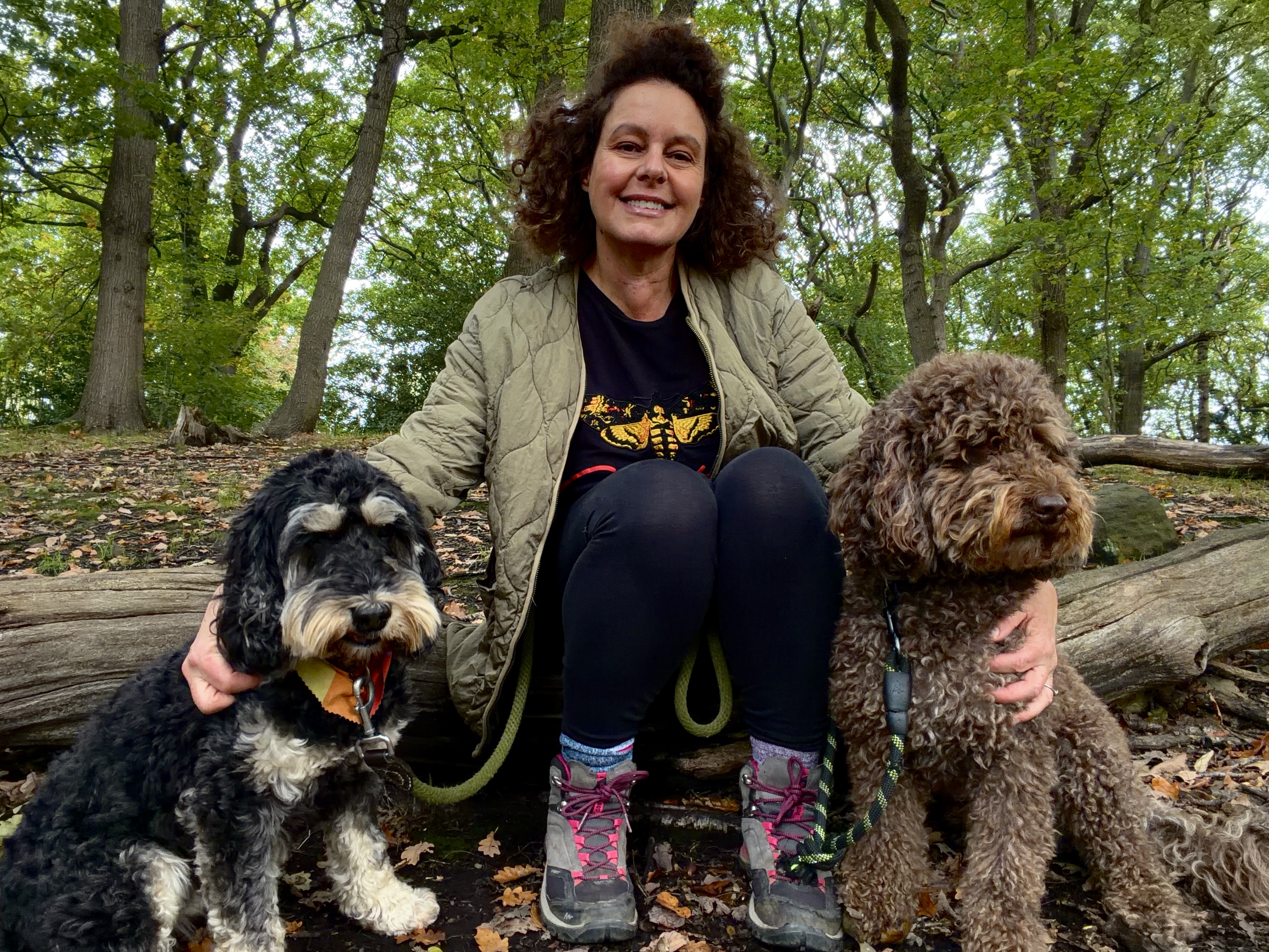
Keeping your dog healthy and happy goes beyond feeding and exercise. Regular grooming plays a crucial role in maintaining your dog's well-being. Brushing your dog frequently between professional grooming sessions helps prevent many health issues and keeps your furry friend comfortable. This post explores why regular grooming matters and how it benefits your dog’s health and happiness.

How Regular Grooming Supports Your Dog’s Health
Grooming is more than just making your dog look good. It directly affects their physical health in several ways:
Prevents matting and skin problems
Regular brushing removes loose hair and prevents mats. Mats can pull on the skin, causing pain and irritation. They also trap dirt and moisture, which can lead to infections or hot spots.
Improves skin health
Brushing stimulates blood circulation and distributes natural oils across the coat. This keeps the skin moisturized and reduces dryness or flakiness.
Detects health issues early
Grooming sessions give you a chance to check for lumps, bumps, ticks, fleas, or wounds. Early detection means quicker treatment and better outcomes.
Reduces shedding and allergens
Removing loose hair regularly helps control shedding inside your home. It also reduces allergens that can affect both dogs and humans.
How Grooming Boosts Your Dog’s Happiness
Dogs enjoy grooming when done gently and regularly. It can be a bonding experience and improve their mood:
Comfort and relaxation
Brushing feels like a massage to many dogs. It can calm anxious pets and reduce stress.
Prevents discomfort
Removing dirt, debris, and tangles prevents itching and irritation. A clean, well-groomed dog feels more comfortable and energetic.
Builds trust and connection
Spending time grooming your dog strengthens your relationship. Dogs learn to trust you more when grooming is a positive experience.
Essential Grooming Tasks to Do at Home
Between professional grooming appointments, you can keep your dog in top shape by doing these tasks regularly:
Brushing
Choose a brush suitable for your dog’s coat type. Short-haired dogs may need a rubber curry brush, while long-haired breeds benefit from slicker brushes or combs. Brush at least a few times a week, or daily for long coats.
Checking ears
Look inside your dog’s ears for redness, odor, or discharge. Clean gently with a vet-approved solution if needed.
Trimming nails
Long nails can cause pain and affect walking. Trim nails every few weeks or as needed.
Cleaning teeth
Brush your dog’s teeth regularly to prevent plaque buildup and bad breath. Use toothpaste made for dogs.
Wiping paws
After walks, wipe paws to remove dirt, salt, or allergens that can irritate skin.
When to Schedule Professional Grooming
Professional groomers offer services that are hard to replicate at home, such as:
Bathing with specialized shampoos
Haircuts and trims tailored to breed standards
Deep ear cleaning
Anal gland expression
Thorough nail trimming and filing
Most dogs benefit from professional grooming every 4 to 8 weeks, depending on their breed, coat type, and lifestyle. Dogs with thick or long coats may need more frequent visits.
Tips for Making Grooming Enjoyable for Your Dog
Some dogs dislike grooming, but you can help them feel more comfortable:
Start grooming sessions early in puppyhood to build positive associations
Use treats and praise during and after grooming
Keep sessions short and gentle, gradually increasing time
Choose a quiet, calm environment free from distractions
Use proper tools to avoid pulling or hurting the coat
Signs Your Dog Needs Grooming Attention
Watch for these signs that your dog may need grooming:
Tangled or matted fur
Excessive scratching or licking
Foul odor from coat or ears
Visible dirt or debris in fur
Overgrown nails clicking on floors
Red or inflamed skin areas
Addressing these signs quickly prevents discomfort and health problems.
Grooming and Seasonal Care
Seasonal changes affect your dog’s grooming needs:
Spring and fall are heavy shedding seasons. Increase brushing frequency to manage loose hair.
Summer requires attention to keep your dog cool and prevent sunburn on thin-coated areas.
Winter means checking for dry skin and protecting paws from ice and salt.
Adjust your grooming routine to keep your dog comfortable year-round.


Comments